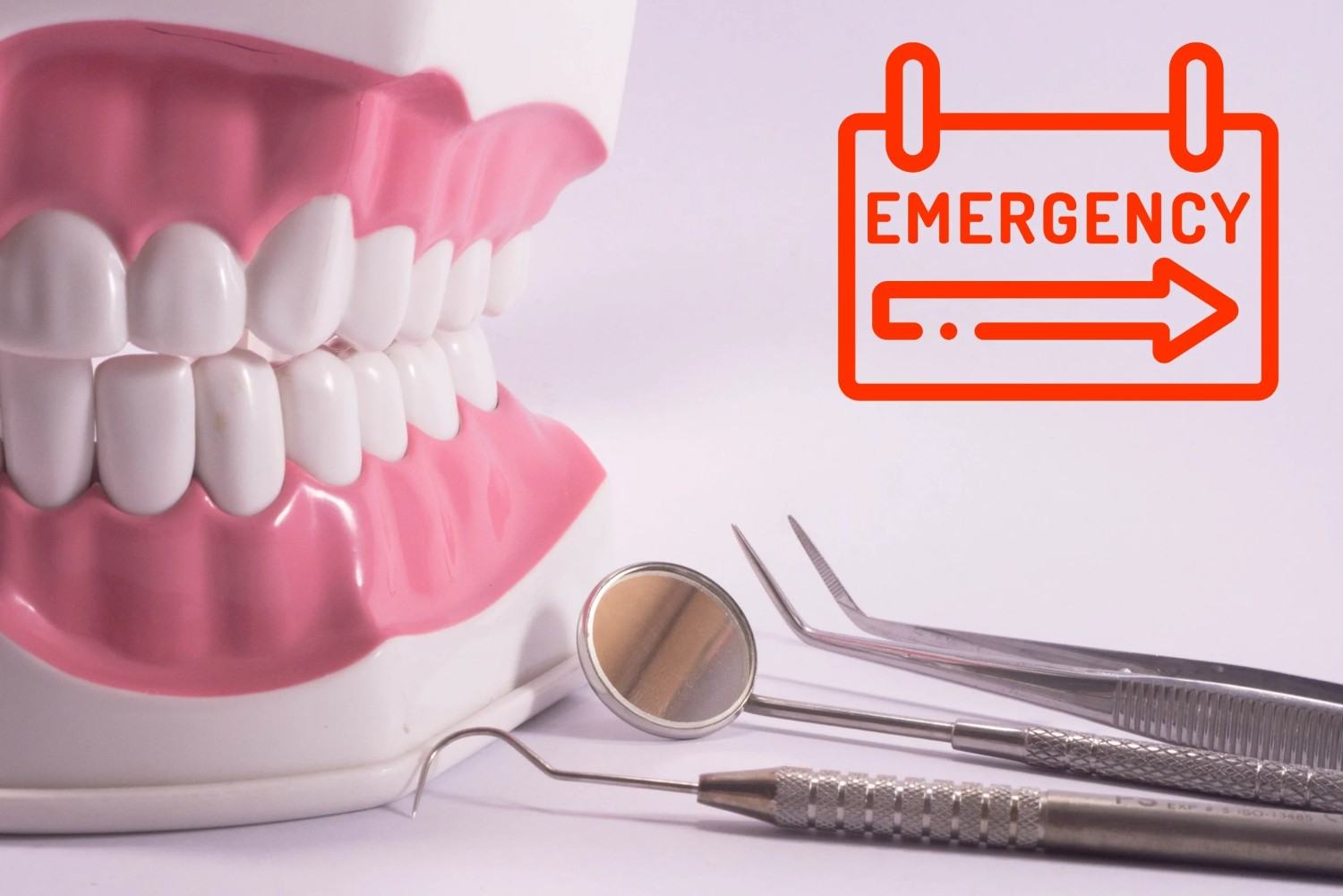
Dental emergencies can occur unexpectedly, no matter the time of day or where you are. Whether it is a toothache, a cracked or knocked-out tooth, or painful swollen gums, knowing what to do can make all the difference.
If you are searching for a CDCP Dentist near me, understanding your local dental care options can help you prepare for routine dental needs and find appropriate professional guidance when dental problems occur.
What is emergency dental care? Emergency dental care includes services for dental problems that require prompt assessment and treatment. Whether you have a knocked-out tooth or severe dental pain, getting expert assistance as soon as possible is essential.
What Is Emergency Dental Care?
Emergency dental care deals with dental problems that require immediate or urgent attention. These problems may include pain, infection, swelling, bleeding, or damage to the teeth and surrounding tissues.
Not every dental problem is a dental emergency. A small, painless chip may be able to wait until your next scheduled dental visit, but a knocked-out permanent tooth requires immediate attention.
Recognizing the signs of a dental emergency will help you make the right decision and seek the treatment you need. Whether you normally visit a Dentist in Langley or another local dental provider, knowing how to access urgent dental care is important.
Common Types of Dental Emergencies
Severe Toothache
A severe toothache is one of the most frequent reasons people visit an emergency dentist. It may result from tooth decay, a broken tooth, gum disease, or an infection within the tooth.
If your tooth suddenly becomes painful, rinse your mouth with warm water and gently floss to dislodge any food trapped between your teeth. Applying a cold pack to the face may help relieve swelling.
Do not apply aspirin directly to your tooth or gums because it can damage the tissues. Seek dental treatment promptly, particularly if you experience ongoing, severe pain accompanied by swelling or fever.
For better oral health, it is important to understand the benefits of professional dental care and seek advice from a qualified dental professional when symptoms occur.
Broken or Chipped Tooth
A tooth can become broken or chipped because of an accident, sports injury, or biting into hard food. The damage may cause bleeding, sensitivity, and pain, depending on its severity.
If your tooth breaks, rinse your mouth gently with warm water and keep any broken pieces if possible. Apply a cold pack to your cheek to help reduce swelling.
Avoid chewing on the damaged tooth and contact your dentist as soon as possible. Depending on the damage, treatment may involve a filling, dental bonding, or a crown.
Early intervention can help preserve as much natural tooth structure as possible and protect against further deterioration.
Knocked-Out Tooth
A knocked-out permanent tooth is a serious dental emergency. Taking the right steps quickly may improve the chances of saving the tooth.
Pick up the tooth by its crown, which is the visible part, and avoid touching the root. If the tooth is dirty, rinse it gently with milk or saline without scrubbing it.
If possible, gently place the tooth back into its socket without forcing it. If you cannot do this, keep it moist in milk or an appropriate tooth-preservation solution and seek emergency dental care immediately, ideally within 30 minutes.
Never attempt to reinsert a knocked-out baby tooth.
Swollen Gums and Dental Abscess
Swelling around the gums or face may indicate a dental abscess, which is a collection of pus caused by an infection. Common symptoms include severe toothache, gum swelling, a bad taste in the mouth, fever, and facial discomfort.
A dental abscess requires urgent professional treatment and will not reliably resolve on its own. Avoid squeezing or attempting to drain the swelling yourself.
If you experience rapidly spreading facial swelling or difficulty breathing or swallowing, seek emergency medical care immediately. Prompt treatment can help control the infection and reduce the risk of serious complications.
Lost Filling or Dental Crown
A filling or crown may become loose or fall out while eating or chewing. This can expose sensitive areas of the tooth and cause discomfort.
Keep the area clean and avoid hard, sticky, or very hot or cold foods if they trigger sensitivity. Contact your dentist to arrange an appointment.
Never use household glue to attach a crown or filling, as this may damage the tooth and surrounding tissues. A dental professional can assess the damage and determine whether the restoration can be repaired or needs replacement.
When Should You Visit an Emergency Dentist?
Knowing when to seek urgent dental care is important for protecting your oral health.
You should contact a dentist promptly if you experience:
- Severe or persistent tooth pain.
- A knocked-out permanent tooth.
- A broken tooth with significant pain.
- Swelling in the gums, jaw, or face.
- Signs of a dental abscess or infection.
- Bleeding that does not stop.
- Dental injuries following an accident.
If you have difficulty breathing or swallowing, severe facial trauma, or rapidly spreading swelling, go to an emergency department immediately.
If you are looking for a Dentist in North Vancouver, research local clinics in advance so you know whom to contact when urgent dental care is needed.
What to Expect During an Emergency Dental Visit
During an emergency dental appointment, the dentist will assess your symptoms, examine your teeth and gums, and may take dental X-rays to identify the underlying problem.
Treatment depends on the type and severity of the dental emergency. A damaged tooth may require bonding, a filling, or a crown. An infected tooth may need root canal treatment or another procedure to control the infection. In some cases, extraction may be necessary.
The primary goal is to relieve pain, address the immediate problem, and prevent further complications. Learning about available dental treatment options can also help you better understand the importance of professional dental evaluation.
If you are researching a CDCP Dentist in Langley, contact the clinic to ask whether it accepts Canadian Dental Care Plan patients and what services are available. Confirm any applicable coverage, co-payments, or additional charges before treatment.
How to Prevent Dental Emergencies
Although some accidents cannot be avoided, good oral hygiene and preventive dental care can reduce the risk of many dental problems.
Here are some practical tips:
- Brush your teeth twice daily with fluoride toothpaste.
- Floss every day to remove plaque and trapped food particles.
- Schedule regular dental checkups.
- Wear a mouthguard during contact sports.
- Avoid chewing ice and other very hard objects.
- Never use your teeth to open bottles or packages.
- Treat cavities and gum problems early.
- Follow your dentist’s recommendations for existing dental restorations.
Preventive care can help identify potential problems before they develop into painful conditions that require urgent treatment.
Patients searching for a CDCP Dentist in North Vancouver can ask local clinics about preventive dental services and whether they participate in the Canadian Dental Care Plan.
Why Is Immediate Dental Treatment Important?
Prompt dental treatment can help relieve pain, control infection, prevent complications, and improve the chances of saving a damaged tooth.
Ignoring symptoms such as severe pain, facial swelling, or persistent bleeding may allow the underlying problem to become worse. Early evaluation by a qualified dentist can help identify the cause and determine the most appropriate treatment.
When a dental emergency occurs, avoid relying solely on home remedies. Temporary measures may provide some relief, but they cannot replace professional diagnosis and treatment.
If you are searching online for a CDCP Dentist near me, remember that CDCP participation and coverage depend on the provider and the services involved. For urgent dental problems, prioritize timely treatment rather than delaying care while checking benefit eligibility.
Conclusion
Dental emergencies can be stressful, but knowing how to respond can make a significant difference. Whether you experience a severe toothache, a broken tooth, a knocked-out tooth, or swelling caused by an infection, timely professional care is essential.
Do not ignore persistent pain, unusual swelling, or dental injuries. Contact a qualified dentist as soon as possible to receive an appropriate diagnosis and treatment. If you experience difficulty breathing or swallowing, seek emergency medical attention immediately.
Whether you are looking for a Dentist in Langley, a Dentist in North Vancouver, a CDCP Dentist in Langley, or a CDCP Dentist in North Vancouver, researching local dental providers can help you understand the available services and plan for your oral healthcare needs.
Maintaining good oral hygiene, scheduling regular dental checkups, and understanding the importance of proper dental care can help protect your smile and support long-term oral health.