Dental cavities, commonly called tooth decay, are among the top causes of oral health issues, affecting people of different ages, children as well as adults. Tooth decay in the initial stage usually does not cause any obvious pain or discomfort. But, without treatment, the decay may slowly go deeper into the tooth causing sensitivity toothache infection, or a need for more advanced dental work.
A dental filling is the most common way of treating a cavity. Filling, besides replacing the damaged part of the tooth, also guards the remaining part of the tooth from harm and gets tooth function back to normal. Those who want to find a reliable dentist in Potts Point and Kings Cross should know what dental filling means so they are able to know if there is an ongoing tooth decay and get help on the time.
Dentistry At The Cross offers many personal dental care services in a friendly and supportive atmosphere, while concentrating on making dental treatment comfortable and easy for the patient.
What Is a Dental Filling?
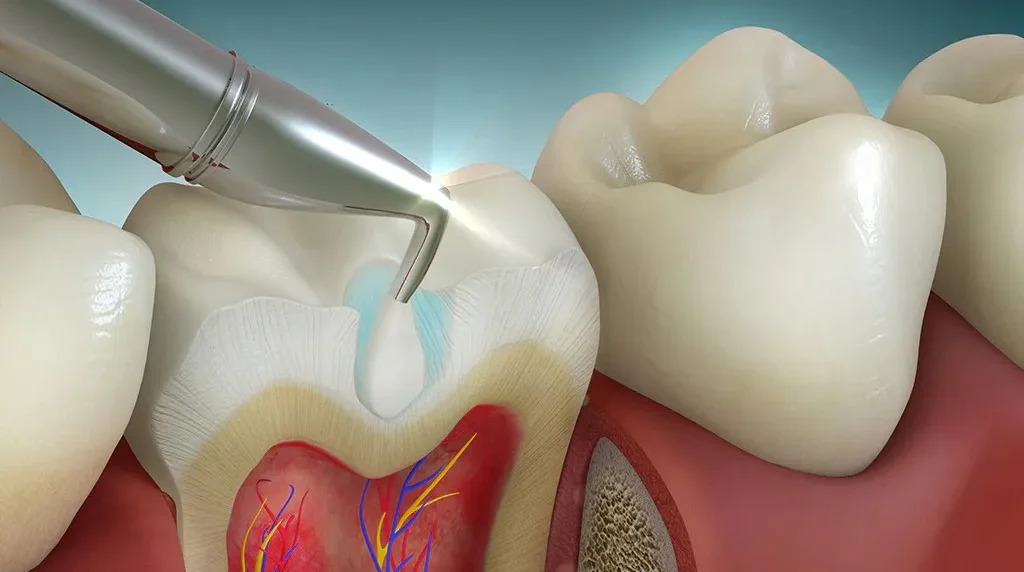
A dental filling is the process of a dentist restoring a decayed tooth which may have been weakened or is at an advanced stage of decay, with a restorative dental material after having drilled away.
Once the dentist has removed the damaged (i.e. the decayed) area of the tooth completely through the treatment the dentist will thoroughly cleanup the place. Then the dentist places a right type of dental material in the cavity and seals it.
The filling serves two goals – restores the shape and the chewing ability of the tooth and the tooth that is saved around the defect is also guarded.
A dental filling, in other words, replaces the part of the tooth that has been compromised or has been lost because of a cavity.
Why Do Cavities Develop?
Decay of teeth occurs when bacteria in the mouth meet with sugars and starches in food and drinks Bacteria generate acid which can slowly weaken the protection of your tooth.
With time as teeth get constantly attacked in this way, minerals will be lost from the enamel which leads in forming a hole or a cavity in the tooth.
Some common factors that can increase the risk of cavities include:
- Poor oral hygiene
- Inadequate brushing
- Not cleaning between the teeth
- Frequent consumption of sugary foods and drinks
- Frequent snacking
- Poor fluoride exposure
- Dry mouth
- Irregular dental check-ups
Good oral hygiene and regular dental examinations can help identify tooth decay before it becomes more advanced.
When Do You Need a Dental Filling?
A lot of early stage tooth decay does not even require a filling. Your dentist might suggest, in case the decay is caught so early that the actual cave has not even formed yet, prevention methods like better dental hygiene and fluoride therapy.
But, if the dentition structure is permanently changed and the cavity has formed, the tooth is incapable of complete self-repair. At this point, your dentist might be inclined to perform a dental filling operation.
You should arrange a dental examination if you experience:
- Toothache
- Sensitivity to hot or cold foods and drinks
- Sensitivity when eating sweet foods
- A dark or brown spot on the tooth
- A visible hole in the tooth
- Food frequently getting stuck in one area
- Pain while chewing
- A chipped or damaged tooth
It is important to remember that cavities do not always cause pain in their early stages. Regular dental check-ups are therefore important, even when your teeth feel healthy.
Types of Dental Fillings
Several types of filling materials are available; your dentist will make a decision based on various factors like the location and size of the cavity, the tooth’s condition, the type of chewing pressure the dentist expects the restoration to withstand aesthetics how long-lasting will be the filling and the dentist’s own preferences.
1. Composite Fillings
Composite fillings are also called tooth-coloured fillings as these are made such that a shade matching one’s real teeth is hardly distinguishable.
If aesthetics is a priority for you, composite fillings are an option that you might consider as these are not only aesthetically pleasing but are also versatile and can treat numerous kinds of cavities.
Benefits of composite fillings can include:
- Natural tooth-coloured appearance
- Excellent aesthetic results
- Can bond to tooth structure
- Suitable for many types of cavities
Your dentist will determine whether composite is appropriate based on the location and condition of the tooth.
2. Amalgam Fillings
These silver colored dental fillings were originally called ‘
Amalgam is actually a mixture of mercury silver tin and copper. Dental amalgam is very resistant to the wear caused by chewing and it is a relatively inexpensive material for fillings. It has always been the dentist’s choice for restoring cavities in the back teeth which get used the most during chewing.
Apart from not looking like your tooth it is also not suitable for people who have allergy to mercury.
Your dental professional, who has seen all sorts of situations, will be in the best position to determine whether your filling is in good condition and whether replacement is needed. So you don’t have to worry about that yourself.
3. Glass Ionomer Fillings
Glass ionomer is yet another material that can be used in a particular type of dental filling.
According to the position and state of the tooth, it may be a good choice in certain situations. At times it might not be a suitable replacement for cavities Mainly for areas which are under heavy biting pressures.
The dentist will be able to advise the type of material which will suit best for the tooth after a thorough check up.
How Is a Dental Filling Done?
A typical dental filling procedure involves several steps.
Step 1: Dental Examination
Your dentist first examines the affected tooth. Depending on your symptoms and the condition of the tooth, an X-ray may also be recommended to assess the extent of the decay.
Step 2: Local Anaesthesia
If required, local anaesthesia is used to numb the area around the tooth. This helps make the procedure more comfortable.
Step 3: Removing the Decay
The dentist carefully removes the decayed portion of the tooth while preserving as much healthy tooth structure as possible.
Step 4: Cleaning and Preparing the Tooth
The affected area is cleaned and prepared to receive the filling material.
Step 5: Placing the Filling
The selected filling material is placed into the prepared area.
For composite fillings, the material may be placed in layers and hardened using a special dental curing light.
Step 6: Shaping and Polishing
Finally, the dentist shapes and polishes the filling so that it feels natural and fits comfortably with your bite.
Your dentist will also check your bite to make sure the filling does not feel too high or interfere with normal chewing.
What Are the Benefits of Dental Fillings?
Dental fillings can provide several important benefits.
They can help to:
- Restore damaged tooth structure
- Restore normal chewing function
- Improve the appearance of a damaged tooth
- Protect the remaining healthy tooth structure
- Prevent the cavity from progressing further
- Preserve the natural tooth
- Reduce the need for more extensive treatment
Treating decay at an early stage is highly important. Once decay reaches the inner pulp of the tooth, a simple filling may not suffice anymore and you probably need a more complicated treatment like root canal therapy.
What Should You Do After a Dental Filling?
Caring properly for your filled tooth is a crucial step to help keep your natural teeth intact as well as the restorations.
Having a dental filling doesn’t automatically make the rest of your mouth cavity-free. In fact, new cavities may form in other parts of your mouth and it’s also possible that an existing filling could become a site of decay.
To maintain good oral health:
- Brush your teeth twice a day with fluoride toothpaste.
- Clean between your teeth every day.
- Limit sugary foods and drinks.
- Avoid frequent sugary snacks.
- Drink plenty of water.
- Visit your dentist regularly.
- Follow your dentist’s aftercare instructions.
- Contact your dentist if the filling becomes loose, breaks, or causes ongoing discomfort.
How Long Does a Dental Filling Last?
Dental fillings are designed to be durable, but they are not necessarily permanent.
The lifespan of a filling can depend on several factors, including:
- Type of filling material
- Size and location of the filling
- Bite pressure
- Oral hygiene
- Eating habits
- Teeth grinding or clenching
- Overall oral health
Over time, fillings can wear down, become damaged, or develop problems around their edges. Regular dental examinations allow your dentist to monitor existing fillings and identify potential problems early.
Which Dental Filling Is Best for You?
There is no single filling material that is best for every patient.
Your dentist may consider:
- The location of the cavity
- The size and depth of the cavity
- The condition of the tooth
- Chewing forces on the tooth
- Cosmetic requirements
- Your overall oral health
- Expected durability
- Your personal preferences
- Treatment cost
For example, a tooth-coloured composite filling may be preferred when aesthetics are important, while another material may be more appropriate in a particular clinical situation.
Instead of asking, “Which dental filling is the best?”, it is better to ask:
“Which dental filling is most suitable for my tooth?”
A professional dental examination is the best way to determine the right treatment for your individual needs.
Why Choose Dentistry At The Cross for Dental Fillings?
If you’re looking for dental fillings in either Potts Point or Kings Cross areas, Dentistry At The Cross is a great choice. It is a dental clinic providing one-on-one care in a welcoming, cheerful, and friendly atmosphere that respects individual uniqueness.
The clinic delivers various dental services which include general dentistry, restorative work, emergency care dentures tooth whitening, wisdom tooth extraction and Invisalign. Dentistry At The Cross is a comprehensive dental center where you don’t only get dental treatment but also emotional support.
They believe in giving honest, easy-to-understand and complete explanation of your treatment options in clear language and encouraging you to participate with them in the process as you will be comfortable throughout your entire dental appointment from start to finish.
How Can You Prevent the Need for Fillings?
While dental fillings are an effective treatment for cavities, prevention is always better than treatment.
You can reduce your risk of tooth decay by:
- Brushing twice a day with fluoride toothpaste
- Cleaning between your teeth every day
- Limiting sugary foods and drinks
- Avoiding frequent snacking on sugary foods
- Drinking water regularly
- Having regular dental check-ups
- Following your dentist’s preventive care recommendations
Good oral hygiene from an early age can significantly contribute to maintaining healthy teeth and gums.
Conclusion
Dental fillings are a popular dental procedure mainly due to cavities. With the dental professional clearing off the infected part and restoring it using a material that suits the situation, your smile’s health, function and beauty could all get back to their original state.
Various dental restoration materials used are composite (which can match your tooth coloring), amalgam (a silver-colored filling) and glass ionomer. The right type of filling to be used is generally determined based on the status and specific situation of your tooth, the size of the cavity, how much you chew there, whether it will be seen, and of course, your dentist’s judgment.
It is essential Because of this not to wait until your cavity starts aching to meet your dentist. There is a possibility that tooth decay can take its course without giving you a sign Mainly in the initial stages.
Should you notice tooth sensitivity, an odd color, a black spot, a hole, pain while swallowing or chewing, or have an ongoing toothache, schedule a dental consultation as soon as possible.
For patients looking for a dentist in Potts Point and Kings Cross, Dentistry At The Cross offers personalised dental care in a welcoming environment.