Teeth play a big role in not only how you look but also oral health. Still, issues like tooth decay cavities, a broken tooth etc. are very common. Early identification of a cavity is very important as filling a tooth is a routine and successful treatment, mostly if the problem is caught early.
At Dentistry At The Cross, patients from areas like Potts Point and Kings Cross can benefit from dental services offered by Dentistry At The Cross for the correction of cavities, tooth decay, and other usual dental problems.
You can get the information you wanted about dental fillings from this post, including what is a cavity, why a filling is necessary, the process of filling a tooth, different kinds of materials used in fillings, the advantages, how to take care of one filled tooth, and some tips to help avoid developing cavities.
What Is Dental Filling?
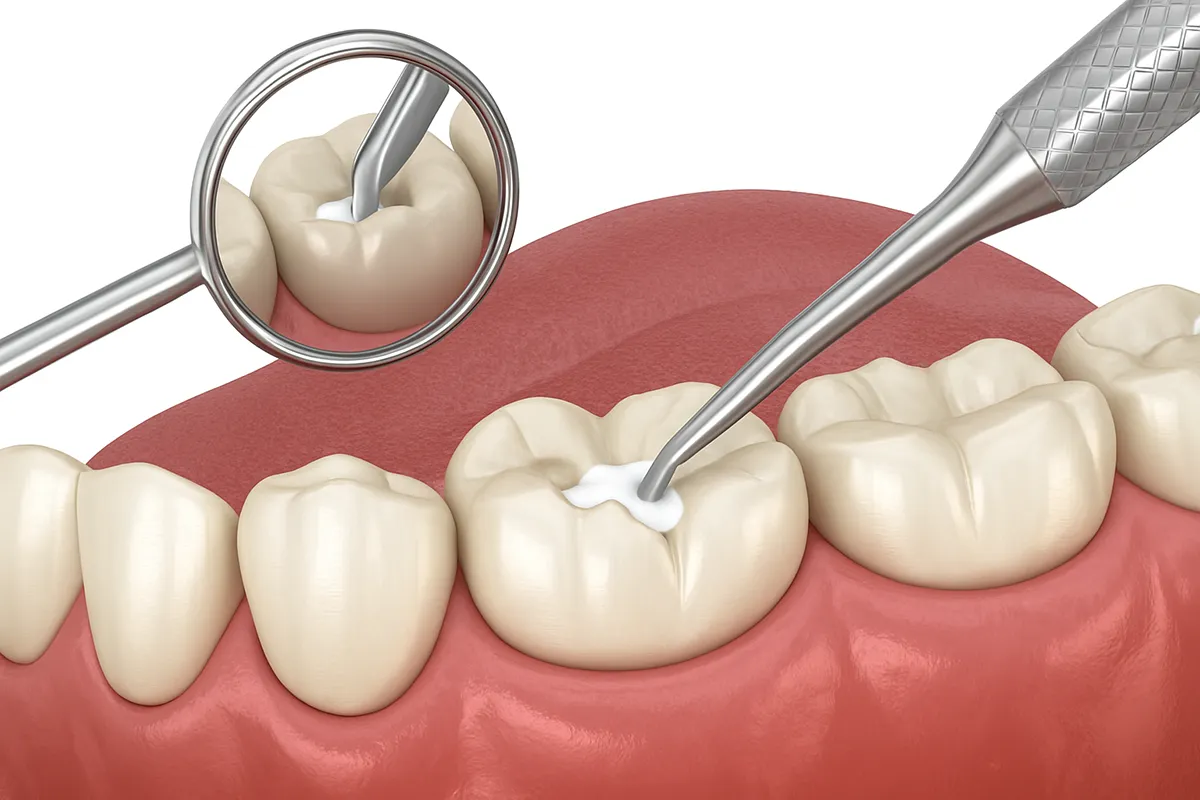
A dental filling is a method used to replace a damaged tooth which may have been destroyed by caries or, in certain instances, by small cracks or damage. To begin, the dentist eliminates the rotten part of the tooth and puts a material that will fill the space back with a dental material that meets the requirements.
The germs in your mouth use the sugars and carbs you leave behind as a way of producing acid, a factor that may slowly wear away your tooth surface. If that is not addressed, the situation can get bad resulting in holes or cavities. In the first stage of cavity the dentist can fill the cavity with a small filling to make sure the tooth gets back its original shape.
Filling in your teeth that are in a serious state may only delay the inevitable spread of the decay to your teeth pulp, and as the dental pulp gets affected, you would definitely need to be seen by a dentist and receive more complex treatment.
When Do You Need a Dental Filling?
A dentist may recommend a filling when a tooth has a cavity or other minor structural damage. Common situations include:
- Tooth decay or cavities
- A small or moderate hole in the tooth
- Minor tooth fractures or chips
- Replacement of an old or damaged filling
- Tooth surface wear
- Certain types of cracks or defects
It is really essential to see that cavities may not be very painful even in their early stages only. Going for check-ups once in a while can be your first line of defense in stopping the decay to reach a more complicated stage.
If you are a Potts Point or Kings Cross resident, regular dental appointments at Dentistry At The Cross can be the way you take care of your teeth and get dental issues fixed before they turn into major ones.
Common Symptoms of Tooth Decay
Although early cavities may not produce noticeable symptoms, advanced decay can cause several warning signs, including:
- Sensitivity to hot or cold foods and drinks
- Sensitivity when eating sweets
- Toothache or persistent discomfort
- Pain while chewing
- Brown, black, or white spots on the tooth
- A visible hole or pit in the tooth
- Swelling around the affected tooth in more advanced cases
If you experience any of these symptoms, it is advisable to consult a dentist rather than delaying treatment.
How Is a Dental Filling Done?
A dental filling is generally a straightforward procedure. The exact process depends on the location and severity of the cavity.
1. Dental Examination
First, the dentist examines the affected tooth. In some cases, an X-ray may be recommended to determine how deep the decay has progressed.
2. Local Anesthesia
If necessary, the dentist may administer local anesthesia to numb the area. This helps make the procedure more comfortable, particularly when the decay is deeper.
3. Removing the Decay
The dentist carefully removes the decayed portion of the tooth using appropriate dental instruments or equipment.
4. Cleaning and Preparing the Tooth
After removing the decay, the dentist cleans the area and prepares the cavity for the filling material.
5. Placing the Filling
The selected filling material is placed into the prepared cavity. The dentist shapes it carefully so that it fits the tooth properly.
6. Finishing and Polishing
Finally, the filling is shaped and polished. The dentist also checks your bite to make sure the restored tooth feels comfortable when you close your mouth and chew.
Types of Dental Filling Materials
Different materials can be used for dental fillings depending on the tooth, location of the cavity, functional requirements, and aesthetic preferences.
Composite Fillings
Composite fillings are tooth-colored and can be matched relatively closely to the natural shade of your teeth. They are commonly chosen when appearance is an important consideration.
Glass Ionomer Fillings
Glass ionomer is another dental material that can be used in certain situations. It can release fluoride and may be suitable for specific types of restorations.
Amalgam Fillings
Amalgam is a silver-colored restorative material that has traditionally been used for dental fillings. Your dentist can recommend the most appropriate material based on your individual dental needs.
Benefits of Dental Fillings
Getting a cavity treated at the right time can provide several benefits:
- Helps stop or control the progression of tooth decay
- Restores the tooth’s shape and function
- Can make chewing more comfortable
- May reduce sensitivity caused by decay
- Can improve the appearance of damaged teeth when tooth-colored materials are used
- May help prevent the need for more extensive treatment when decay is treated early
For patients looking for dental fillings in Potts Point and Kings Cross, Dentistry At The Cross can assess the condition of your teeth and determine the most appropriate treatment for your needs.
What Should You Do After a Dental Filling?
Some people may experience temporary sensitivity or mild discomfort after a filling. This can often settle down with time. However, persistent or severe pain should be discussed with your dentist.
After your dental filling, consider the following care tips:
- Follow your dentist’s instructions regarding eating and drinking after treatment.
- Brush your teeth twice a day with fluoride toothpaste.
- Clean between your teeth regularly using floss or another recommended method.
- Limit frequent consumption of sugary foods and drinks.
- Avoid using your teeth to bite extremely hard objects.
- Attend regular dental check-ups.
Maintaining good oral hygiene is important for protecting both your filling and your natural teeth.
How Long Does a Dental Filling Last?
The life of a dental filling can be affected by many of the things, like filling material, location of the tooth, size of the restoration, the chewing pressure your teeth endure, the oral hygiene you maintain and the personal habits you have.
None of the fillings can last forever. A filling, for that matter, can deteriorate, crack or cause difficulties over time. Regular dental appointments will make it possible for your dentist to check the filling and give a suggestion of replacement or further treatment if needed.
Is a Filling Always Enough?
A fill is not the ideal option if tooth decay has penetrated deep inside the tooth or affected the pulp. If this is the case, the dentist could suggest getting a Root Canal Treatment or any other similar method.
Because of this, detecting the problem at the very beginning makes perfect sense. Addressing a cavity early will probably require less extensive and complicated treatment than waiting until the tooth is severely damaged or becomes infected.
How Can You Prevent Dental Cavities?
Prevention plays an important role in maintaining healthy teeth. You can reduce your risk of cavities by following good oral hygiene habits:
- Brush twice a day with fluoride toothpaste.
- Clean between your teeth every day.
- Reduce frequent consumption of sugary snacks and drinks.
- Drink plenty of water.
- Avoid tobacco products.
- Visit your dentist regularly for check-ups.
- Follow your dentist’s recommendations for maintaining your oral health.
If you are based around Potts Point or Kings Cross, regular dental visits at Dentistry At The Cross can help you stay on top of your oral health and detect potential problems before they become more serious.
Conclusion
Dental fillings are a popular and efficient method of restoring teeth damaged by cavities. When tooth decay is found in its early stages and it is treated promptly, a filling not only restores the tooth but also minimizes the potential for additional dental issues.
If sensitivity, discoloration, or a visible hole in the tooth or just a tooth ache is experienced, one should not brush it aside. A doctor’s check-up can reveal what lies beyond the surface.
Residents of Potts Point and Kings Cross can contact Dentistry At The Cross for a professional dental treatment plan that suits their specific dental needs.
One of the major points that needs to be remembered is that severe toothache should not be waited for as a reason for seeing a dentist. Regular check-ups at the dentist, good brushing and flossing habits, and having a moderate consumption of sugary things, will prevent cavities largely and keep your smile healthy and beautiful.